
Choosing the right iPhone 18 Pro Max charger will be important if you want fast, reliable, and safe charging from Apple's upcoming flagship. As of August 2026, Apple has not officially released the iPhone 18 Pro Max, so some charging specifications remain unconfirmed. Current reports point toward faster wired charging and continued MagSafe support, but the final specifications should be confirmed by Apple at launch. The good news is that the iPhone 15 series and newer use USB-C, and Apple supports compatible USB-C charging accessories. This means buyers should focus on charger quality, USB Power Delivery (USB-PD), appropriate wattage, cable compatibility, and charging efficiency rather than simply choosing the charger with the highest wattage. This guide explains what we currently know, which charger specifications matter, how wired charging compares with MagSafe, and what to look for when buying a charger for the iPhone 18 Pro Max. Because the phone has not officially launched yet, it is important to separate confirmed information from reports and expectations. Recent reporting suggests that the iPhone 18 Pro Max could support up to around 45W wired charging, while MagSafe charging could remain around 25W. These figures are still based on pre-release information and should not be treated as official Apple specifications. Apple's current charging ecosystem already supports USB-C power adapters, and compatible third-party adapters can be used when they meet appropriate safety and technical requirements. Apple states that iPhones from the iPhone 12 generation onward require at least a 20W adapter for fast charging. The final charging performance can depend on battery level, temperature, charger compatibility, cable quality, and Apple's charging-management system. For most buyers, the best choice will likely be a USB-C Power Delivery charger with sufficient output for the phone's expected maximum wired charging speed. If the reported 45W charging specification is accurate, a quality 45W USB-C PD adapter would be a sensible choice. A higher-output charger can also work, provided it is compatible and properly regulates power. A phone does not automatically draw the charger's maximum wattage. A 45W USB-C PD charger could be the most straightforward option if Apple confirms 45W wired charging. Advantages: Suitable for fast wired charging Compact options are widely available USB-C PD works across many modern devices Can potentially charge other accessories Good balance between power and portability A 30W adapter may still be useful, especially if you already own one. However, if the iPhone 18 Pro Max actually supports around 45W, a 30W adapter may not provide the phone's maximum possible wired charging performance. A 60W or higher USB-C charger can be useful if you want one charger for several devices. For example, one multi-purpose adapter could potentially charge your iPhone, tablet, or compatible laptop. The extra wattage does not mean the iPhone will necessarily charge at 60W. The device and charger negotiate an appropriate power level. There are two main charging approaches to consider: wired USB-C charging and wireless MagSafe charging. *Expected figures based on current reports, not final Apple specifications. Choose wired USB-C charging when you need to replenish the battery quickly. It is particularly useful when: Your battery is very low You have limited charging time You are traveling You want efficient power delivery You need to use the phone while charging MagSafe is more convenient for situations where you regularly place your phone on a charging surface. It can be useful on: A bedside table A desk A work area A compatible charging stand A vehicle setup designed for wireless charging Wattage is one of the most commonly misunderstood charger specifications. A charger rated at 65W does not force 65W into a smartphone. The phone determines how much power it requests from a compatible charger. For this reason, buying an extremely high-wattage adapter is not automatically better. Instead, look for: USB-C Power Delivery support Appropriate power output Good thermal management Reliable safety protections A quality USB-C cable A reputable manufacturer Apple itself allows compatible third-party power adapters and also notes that Mac and iPad power adapters can be used with iPhone. If the reported 45W charging capability becomes official, the following approach makes sense: The key point is that charger quality matters more than simply buying the highest wattage available. The charger is only one part of the charging system. You also need a suitable USB-C cable. Apple's support documentation says current USB-C iPhones can use a USB-C cable with USB-C connectors on both ends. Apple also notes that the cable included with current iPhones supports charging and USB 2 speeds, while higher-speed data connections require an appropriate USB 3-capable cable. For charging, prioritize: USB-C to USB-C connection Reliable construction Appropriate current/power rating USB-IF-compliant products where applicable Reputable manufacturer Suitable length for your setup Do not assume that every USB-C cable offers identical charging or data performance. Both can be reasonable choices. Pros Designed for Apple's ecosystem Simple compatibility Familiar design Easy choice for Apple users Cons Can cost more Some third-party chargers offer multiple ports Less flexible for charging several devices simultaneously Pros More size and port options Often available with multiple USB-C outputs Can be useful for several devices Compact GaN models are available Cons Quality varies significantly Some inexpensive products may have poor thermal or electrical design Specifications should be checked carefully Apple recommends using compliant third-party adapters that meet applicable safety standards. GaN, or gallium nitride, chargers have become popular because they can provide relatively high power in compact designs. A GaN charger can be especially useful if you travel frequently or want a single adapter for several devices. For an iPhone 18 Pro Max setup, a compact 45W or higher USB-C PD GaN charger could be a practical option if the final charging specifications support it. However, GaN itself should not be the only buying criterion. Check the charger's power-delivery specifications, safety certifications, port configuration, and manufacturer's reputation. A multi-port charger can be useful if you regularly charge more than one device. For example, you might want to charge: iPhone 18 Pro Max AirPods Apple Watch iPad Another USB-C device But pay attention to total output. A charger advertised as 65W may not provide the full 65W to every port simultaneously. Some chargers dynamically distribute power between connected devices. For a single phone, a compact single-port USB-C PD charger is usually enough. For a desk or travel kit, a multi-port GaN charger can make more sense. Before purchasing a charger, check these specifications. Choose USB-C rather than an outdated USB-A-only adapter if you want a modern charging setup. USB Power Delivery is important for compatible fast charging. Do not judge a charger solely by its wattage number. If Apple confirms approximately 45W wired charging, a 45W USB-C PD charger would be a logical match. A high-quality power adapter cannot compensate for an unsuitable or damaged cable. Choose one port if you only charge your phone. Choose multiple ports if you regularly charge several devices. A good charger should have appropriate protections against issues such as: Over-current Over-voltage Over-temperature Short circuits Price alone does not determine quality, but unusually cheap chargers from unknown sources can be a poor choice for an expensive smartphone. Potentially supports the expected maximum wired charging speed Faster than lower-output adapters when the phone can use the additional power Useful for other compatible USB-C devices Good balance between size and performance Suitable for a modern charging setup May cost more than a basic 20W charger Maximum charging speed is not guaranteed until Apple confirms the specification A higher rating does not automatically mean faster charging Requires an appropriate USB-C cable for the intended setup A properly designed compatible charger does not simply force its maximum rated wattage into the phone. The phone and charger negotiate power according to the supported charging system. However, that does not mean every high-wattage charger is safe. Poorly designed or non-compliant accessories can create electrical and thermal risks. Apple recommends compliant power adapters, while current reporting also highlights the importance of using quality USB-C charging accessories. The safest approach is to choose a reputable charger with appropriate specifications rather than buying an unknown product solely because it advertises a high wattage. The exact charging time cannot be stated confidently until Apple officially releases the phone and publishes its specifications. Current reports suggest approximately 45W wired charging, but real-world charging speed will vary depending on battery level, temperature, charger, cable, and software-controlled charging behavior. For that reason, claims such as an exact 0–100% charging time should be treated cautiously until independent testing is available. Apple's final retail packaging details for the iPhone 18 Pro Max should be checked at launch. Apple's current iPhone charging documentation indicates that compatible power adapters are sold separately, while the charging cable situation can vary by model and package. If you are purchasing the phone, check the exact contents of the retail box in your country before buying an additional cable or adapter. It depends on the charger and cable. If you have a compatible USB-C power adapter with an appropriate output, it may work with the iPhone 18 Pro Max. Older Lightning-era chargers may require an appropriate adapter or cable arrangement and may not provide the charging performance you want. For the simplest setup, a modern USB-C PD adapter with a USB-C cable is the better approach. Travelers should prioritize portability. A compact GaN USB-C charger can reduce the amount of equipment you need to carry, especially if it supports multiple devices. A good travel setup could include: One compact USB-C PD charger One quality USB-C cable A second cable if you regularly charge another device A multi-port adapter if you need simultaneous charging Always make sure the adapter is suitable for the electrical standards and outlets in the destination country. Recent regulatory information reported by MacRumors suggests the iPhone 18 Pro Max battery could be around 5,391mAh for certain versions, with a reported U.S. capacity of 5,567mAh. The listings are not directly named as iPhone 18 Pro Max batteries, so these figures should still be considered pre-release information. A larger battery could increase the importance of efficient charging, particularly for users who frequently recharge a nearly depleted phone. However, battery capacity alone does not determine battery life. Processor efficiency, display technology, software optimization, modem efficiency, and usage patterns also affect endurance. If you are preparing for Apple's next Pro Max model, the most sensible approach is to wait for the official charging specifications before purchasing an expensive charger specifically for the new phone. If the reported 45W wired charging specification is confirmed, a reputable 45W USB-C PD charger should be a strong all-around choice. For users who prioritize convenience, a compatible MagSafe charging setup may be more attractive than maximum wired speed. For people charging several devices, a higher-output multi-port GaN charger may offer better overall value. The right iPhone 18 Pro Max charger should prioritize compatibility, USB-C Power Delivery, safety, cable quality, and practical power output rather than simply chasing the largest wattage number. Current reports point toward approximately 45W wired charging and around 25W MagSafe charging, but Apple has not yet officially confirmed these specifications. If Apple confirms the expected charging speeds, a quality 45W USB-C PD adapter will likely be the best choice for users who want fast wired charging. A MagSafe charger can be a better option for convenient everyday charging, while a multi-port GaN adapter is useful for people with several devices. Before buying, always check Apple's final specifications and the exact charger requirements after the iPhone 18 Pro Max officially launches. The iPhone 18 Pro Max is expected to use USB-C charging, following Apple's current iPhone lineup. The exact supported charging power should be confirmed by Apple at launch. If current reports are accurate, a 45W USB-C PD charger could be an appropriate choice for maximum expected wired charging. However, the 45W figure remains unconfirmed until Apple's official specifications are released. A compatible 65W USB-C PD charger can potentially be used. The phone does not automatically draw the full 65W; charging power is negotiated between the device and charger. A compatible 20W USB-C power adapter should provide charging, but it may not deliver the maximum wired charging performance expected from the iPhone 18 Pro Max if Apple confirms higher charging speeds. MagSafe support is expected to continue, with current reports suggesting charging around 25W. Apple has not yet published the final iPhone 18 Pro Max charging specifications. For any questions, order support, or product inquiries, feel free to contact us anytime. We are always ready to assist you with the best service. Visit our official website: https://dazzle.com.bd/ Our Shop Location: https://dazzle.com.bd/shop-location Our official Facebook page: https://www.facebook.com/dazzlebangladesh Call us: 09638001122 iPhone 18 Pro Max Charger: Best Charging Options & Buying Guide
iPhone 18 Pro Max Charging: What We Know So Far
Expected iPhone 18 Pro Max Charging Specifications
What is the Best iPhone 18 Pro Max Charger?
45W USB-C Charger
30W USB-C Charger
60W or Higher USB-C Charger
USB-C PD vs MagSafe Charging
When USB-C Is Better
When MagSafe Is Better
Why Charger Wattage Matters
Best Charger Wattage for iPhone 18 Pro Max
USB-C Cable Requirements
What to Look for in a Cable
Should You Buy Apple's Charger or a Third-Party Charger?
Apple Charger
Third-Party USB-C PD Charger
GaN Chargers for iPhone 18 Pro Max
Multi-Port Chargers: Are They Worth It?
Best Setup for Multiple Devices
iPhone 18 Pro Max Charger Buying Guide
1. Check USB-C Output
2. Check USB-PD Support
3. Consider 45W
4. Check the Cable
5. Consider Port Count
6. Look at Safety Features
7. Avoid Extremely Cheap, Unknown Chargers
Pros and Cons of Using a 45W Charger
Pros
Cons
Does a Higher-Wattage Charger Damage the iPhone?
How Fast Will the iPhone 18 Pro Max Charge?
Does the iPhone 18 Pro Max Come With a Charger?
Can You Use an Old iPhone Charger?
iPhone 18 Pro Max Charger for Travel
iPhone 18 Pro Max Charging and Battery Capacity
What Should You Buy?
Frequently Asked Questions
1. What charger does the iPhone 18 Pro Max use?
2. How many watts should an iPhone 18 Pro Max charger be?
3. Can I use a 65W charger with the iPhone 18 Pro Max?
4. Will a 20W charger work with the iPhone 18 Pro Max?
5. Will the iPhone 18 Pro Max support MagSafe?
Contact Us
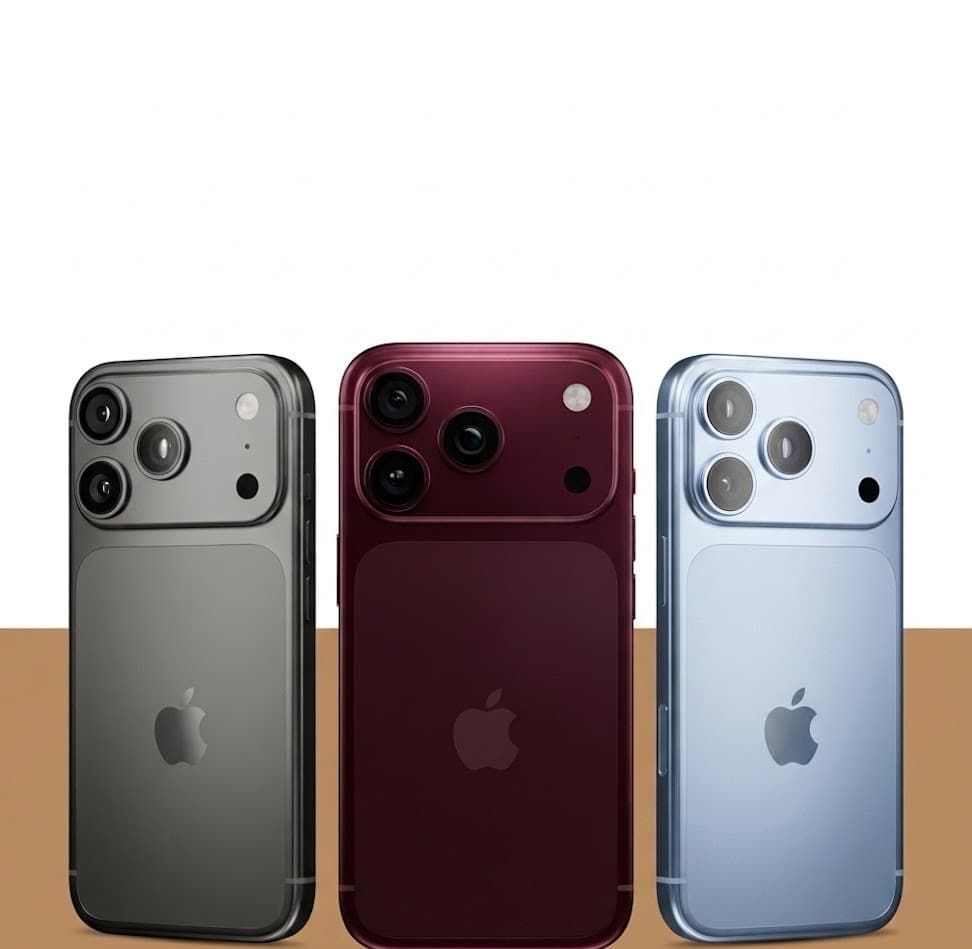
Technology12 August 2026
iPhone 18 Pro Max Charger - Best Options & Guide
Find the best iPhone 18 Pro Max charger, expected charging speed, USB-C options, MagSafe support, and what to check before buying.