
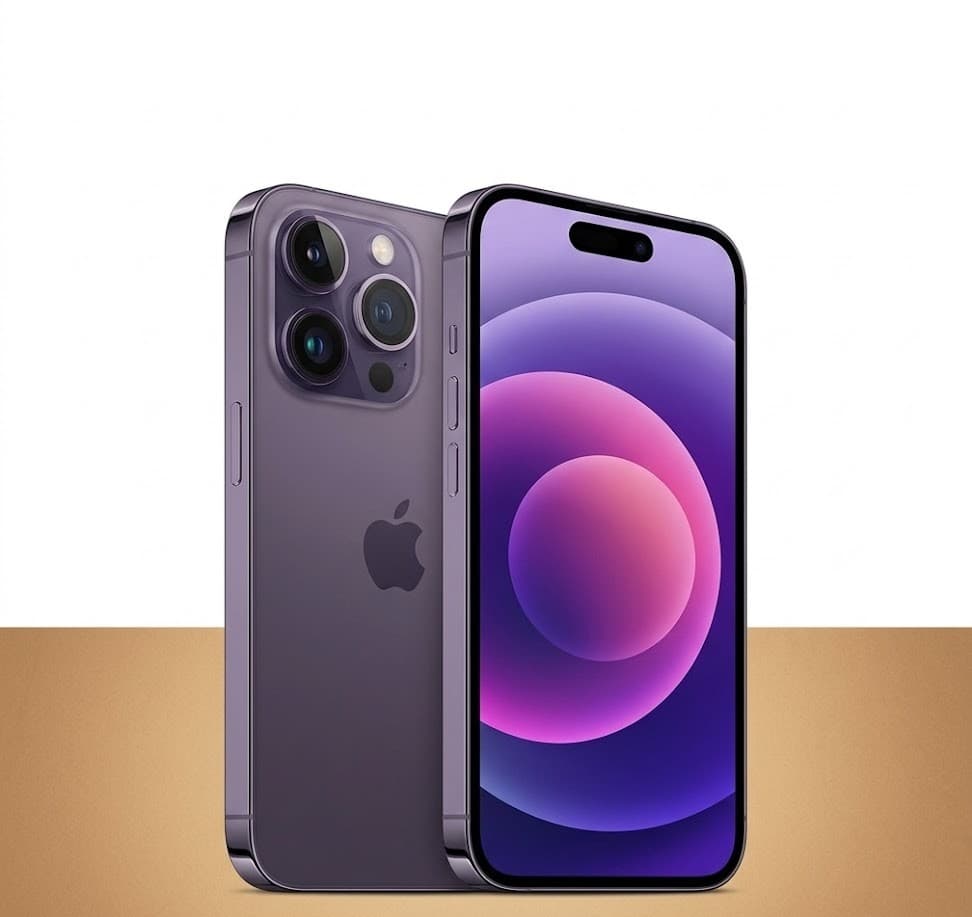
The iPhone 18 Pro Max camera is shaping up to be one of the most interesting upgrades in Apple's next flagship iPhone. Unlike a simple megapixel increase, the biggest rumored change is a variable-aperture main camera, which could give photographers more control over light, exposure, and depth of field. Current reports point toward a triple-camera system built around 48MP sensors, while the main camera is expected to receive the most significant hardware change. Recent reporting also suggests that Apple is testing or preparing a new main sensor with variable-aperture support. Because Apple has not officially revealed the phone yet, it is important to separate confirmed information from credible rumors. This guide explains what is currently expected, what the camera upgrades could mean for everyday photography, and whether the new Pro Max could be worth considering. Based on the latest reports, the expected rear-camera configuration looks broadly like this: One recent report based on an alleged diagnostics log claims that the main sensor could be Sony's IMX905, while the telephoto, ultra-wide, LiDAR and selfie components may carry over from the previous generation. These details remain unconfirmed by Apple. A camera aperture controls how much light reaches the image sensor. Traditional smartphone cameras generally use a fixed aperture. A variable-aperture system can adjust the opening, giving the camera another way to control exposure. For the iPhone 18 Pro Max camera, this could be particularly useful in challenging lighting conditions. A wider aperture could help the camera capture more light, while a narrower aperture could reduce incoming light in bright environments and potentially provide more control over depth of field. The biggest potential advantages include: Better exposure control More creative portrait photography Greater control over depth of field Improved flexibility in bright environments More control for video recording Potentially better results in certain low-light situations MacRumors reports that the rumored 48MP Fusion main camera could feature a variable aperture, although the real-world benefit will depend on Apple's implementation and the size of the smartphone's image sensor. The main camera is expected to remain the centerpiece of Apple's Pro photography system. Rather than relying only on resolution, modern smartphone photography combines the sensor, lens, image signal processor and computational photography. The rumored 48MP Fusion camera could therefore deliver benefits through a combination of: High-resolution image capture Pixel-binning technology Computational photography Smart HDR processing Night photography Portrait processing Improved autofocus Variable aperture control A newer Sony main sensor has also been reported, although the exact final specification cannot be treated as confirmed until Apple officially announces the device. The ultra-wide camera is expected to remain an important part of the Pro Max's triple-camera system. A high-resolution ultra-wide sensor is particularly useful for: Architecture photography Landscapes Travel photography Group photos Indoor photography Creative wide-angle compositions According to current reporting, the ultra-wide hardware may not receive the same major sensor change as the main camera. That means the most noticeable improvement could remain concentrated around the primary camera rather than the entire rear-camera system. The telephoto camera is another major reason buyers choose Apple's Pro Max models. A telephoto lens allows you to frame distant subjects without physically moving closer. It is also useful for portraits because the longer focal length can create a more natural-looking perspective. Current leaks suggest that Apple's telephoto hardware could remain broadly similar to the previous generation, although some reports point toward a wider telephoto aperture as a possible improvement. Until Apple publishes official specifications, exact optical-zoom and digital-zoom figures should therefore be treated cautiously. The camera system should remain useful for: Portrait photography Concert and event photography Travel shots Distant subjects Framing details Video recording Low-light photography is influenced by much more than megapixels. Important factors include: Sensor size Lens aperture Optical image stabilization Image processing Autofocus performance Computational photography The rumored variable aperture could give the main camera an additional tool for managing incoming light. That does not automatically guarantee dramatically better night photography, but it could make the system more flexible. Apple's computational photography will also remain important because image processing can combine multiple frames to reduce noise and improve dynamic range. The rumored variable-aperture system could be particularly interesting for portrait photography. A narrower aperture can increase the depth of field, while a wider aperture can create a shallower focus effect. However, smartphone portrait photography also relies heavily on computational depth mapping and software processing. The combination of: Main-camera hardware LiDAR Depth information Computational photography Portrait processing could make the Pro Max attractive to users who frequently photograph people. Apple's Pro iPhones have traditionally placed strong emphasis on video. The expected camera improvements could benefit video through better exposure control, stabilization and image processing. A variable aperture could be particularly useful when recording in changing lighting conditions because aperture becomes another exposure-control mechanism. Potentially useful video features include: High-resolution recording Cinematic video features Stabilized recording HDR video Pro-oriented recording controls Improved autofocus However, the final video formats, frame rates and professional recording features should be confirmed after Apple's official announcement. Apple is also rumored to simplify the Camera Control button on the Pro models. MacRumors reports that the redesigned control could remove some touch-related functionality while retaining pressure sensitivity. For photography, a physical camera control can make it easier to quickly launch the camera and capture an image without navigating through the touchscreen interface. The overall experience will depend not only on the hardware but also on how Apple integrates the control with iOS. Because the iPhone 18 Pro Max is not officially available yet, this comparison should be viewed as an expected upgrade overview, not a final specification sheet. The most meaningful upgrade could therefore be the variable-aperture main camera, rather than simply an increase in megapixels. Here are the major camera-related improvements currently associated with the phone: Potentially the biggest hardware change, giving the main lens more control over incoming light. A high-resolution primary camera should continue to provide flexibility for detailed photographs and cropping. The ultra-wide camera is expected to remain useful for landscapes, architecture and group shots. The telephoto system should continue to target portraits and distant subjects. Apple's software processing is expected to remain a major part of image quality. LiDAR could continue supporting depth-related photography and autofocus features. Rumored variable-aperture main camera High-resolution 48MP camera system Strong computational photography potential Pro-oriented telephoto system Useful ultra-wide camera Expected advanced video capabilities Physical Camera Control experience Potentially better exposure control Camera specifications are not officially confirmed Variable aperture may provide only a modest real-world improvement Some camera hardware may remain similar to the previous generation Pro Max models are likely to remain expensive Final zoom and video specifications are still unknown If camera quality is your main priority, waiting for the official launch makes sense. The rumored variable-aperture main camera represents a more meaningful hardware change than simply increasing megapixel numbers. It could give photographers greater control over exposure and depth of field. However, users who already own a recent Pro iPhone should not assume that every photo will look dramatically different. The real upgrade will depend on Apple's final sensor, lens design, software processing and how effectively the variable aperture is implemented. The new variable-aperture system could make the phone particularly interesting if you enjoy experimenting with photography settings. The combination of multiple focal lengths, computational photography and professional video features could make the Pro Max a strong mobile content-creation device. If you mainly take social-media photos, family pictures and everyday snapshots, the previous-generation Pro Max may already provide more camera capability than you need. Upgrading will probably make the most sense if the variable aperture and other camera improvements provide features you actually plan to use. Several important details remain uncertain before the official announcement: Exact aperture range Final main-camera sensor Exact telephoto specifications Optical zoom range Maximum digital zoom Video recording formats Supported frame rates Front-camera resolution Camera software features Final pricing These details can significantly change the buying decision, so readers should check Apple's official specifications once the phone launches. No. As of August 2026, the iPhone 18 Pro Max has not been officially announced. The camera specifications currently available are based largely on reports and leaks. Current reports strongly suggest that the main camera could receive a variable-aperture system. However, Apple has not officially confirmed the feature. The current expectation is a triple rear-camera setup consisting of a main camera, ultra-wide camera, and telephoto camera, supported by LiDAR. Current reports point toward a 48MP main camera and a 48MP-class ultra-wide system. The exact final specifications remain unconfirmed. It could be. The rumored variable aperture and updated main sensor may improve flexibility in challenging lighting, but real-world performance cannot be judged until independent testing is available. Contact Us For any questions, order support, or product inquiries, feel free to contact us anytime. We are always ready to assist you with the best service. Visit our official website: https://dazzle.com.bd/ Our Shop Location: https://dazzle.com.bd/shop-location Our official Facebook page: https://www.facebook.com/dazzlebangladesh Call us: 09638001122 iPhone 18 Pro Max Camera: Everything We Know So Far
iPhone 18 Pro Max Camera: Expected Specifications
Variable Aperture Could Be the Biggest Upgrade
What is a variable aperture?
Why does variable aperture matter?
48MP Main Camera: What to Expect
Ultra-Wide Camera
Telephoto and Zoom Performance
Expected zoom benefits
iPhone 18 Pro Max Camera for Low-Light Photography
Portrait Photography
Video Recording Expectations
Camera Control and Photography Experience
iPhone 18 Pro Max Camera vs iPhone 17 Pro Max
Key Camera Features at a Glance
1. Variable Aperture
2. 48MP Main Sensor
3. High-Resolution Ultra-Wide
4. Pro Telephoto
5. Computational Photography
6. LiDAR
Pros and Cons
Pros
Cons
Is the iPhone 18 Pro Max Camera Worth Waiting For?
Buying Guide: Who Should Consider It?
For mobile photographers
For content creators
For casual users
For current iPhone Pro owners
What We Still Need to Confirm
Frequently Asked Questions
Is the iPhone 18 Pro Max camera officially confirmed?
Will the iPhone 18 Pro Max have a variable aperture?
How many cameras will the iPhone 18 Pro Max have?
Will the iPhone 18 Pro Max have 48MP cameras?
Will the iPhone 18 Pro Max be better for low-light photography?
Technology13 August 2026
iPhone 18 Pro Max Camera: Specs & Features
Explore the iPhone 18 Pro Max camera, rumored 48MP setup, variable aperture, zoom, video features, and expected upgrades.